
To start off the research, I thought I’d look into different children’s storybooks and art styles that could potentially influence my own.

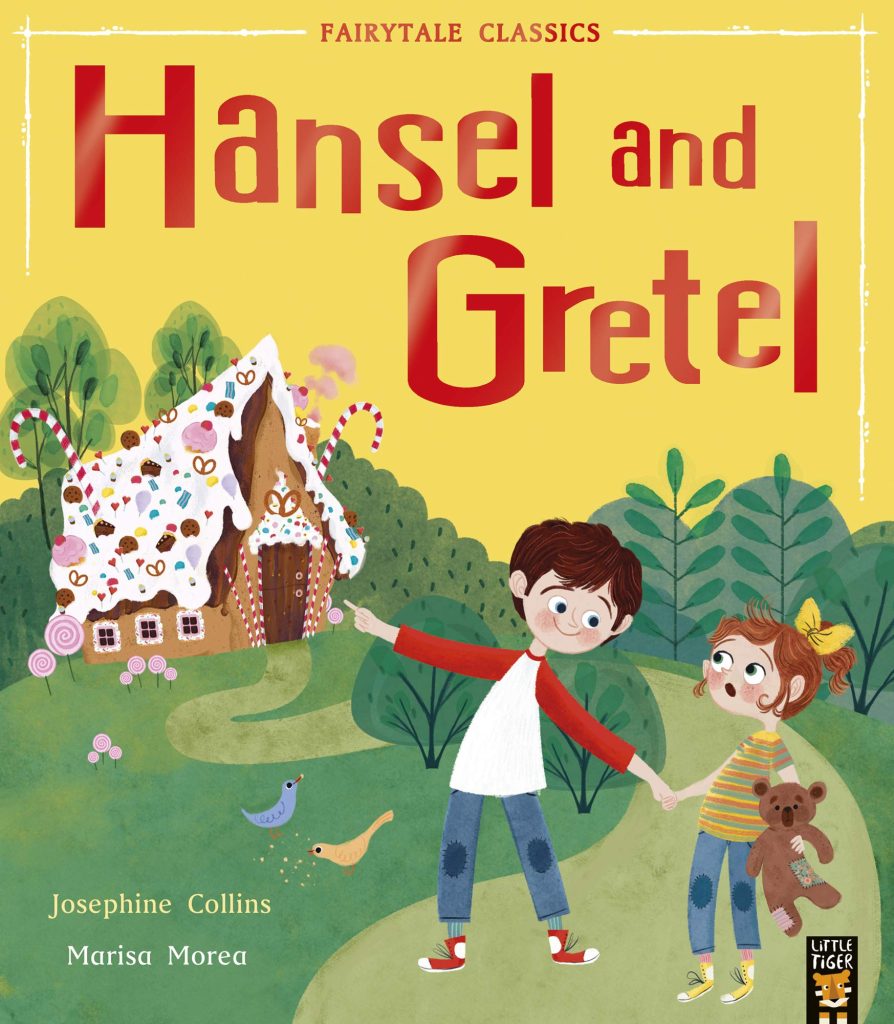
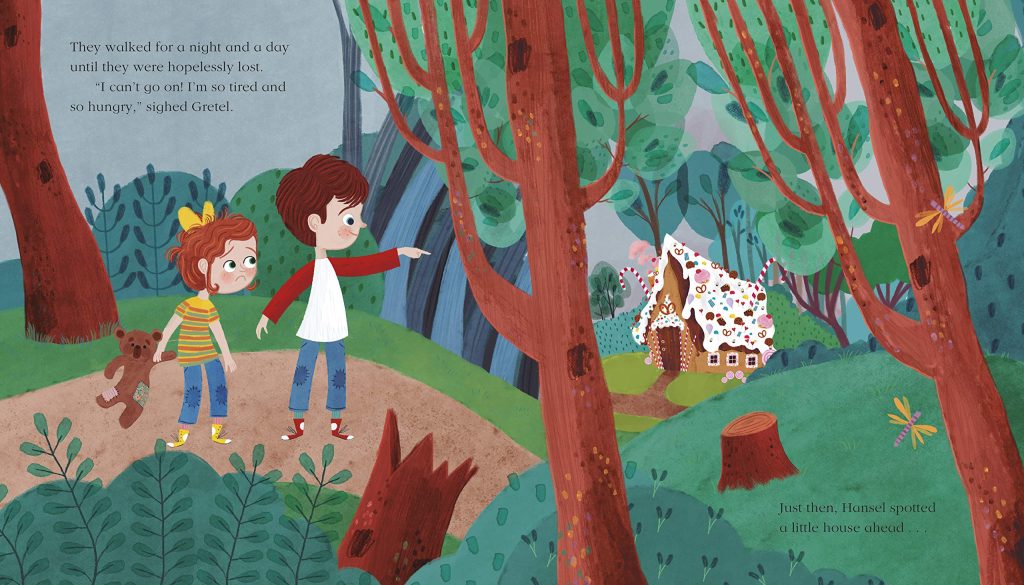
This story teaches many lessons to children, one of the most important lessons being to not always trust strangers even if they are treating you well. The witch within the story acts all kind towards the children, offering them all sorts of luxury, leaning the main characters towards going into the house, little do they know there was a nasty surprise waiting for them. This book also shows clever resourcefulness, Hansel ends up using these skills to overcome the dangers of the witch and find the way back home using the resources around him. Gretel also shows quick wits in figuring out the witch’s plan and acting fast, both of these children use the ability to think fast on their feet to avoid danger.
Within my story, I would like to use this ability of the character’s resourcefulness to help guide the character back to safety. Like Hansels and Gretel, my main character will use their wits to think fast to overcome a certain type of danger and obstacles that will pass.
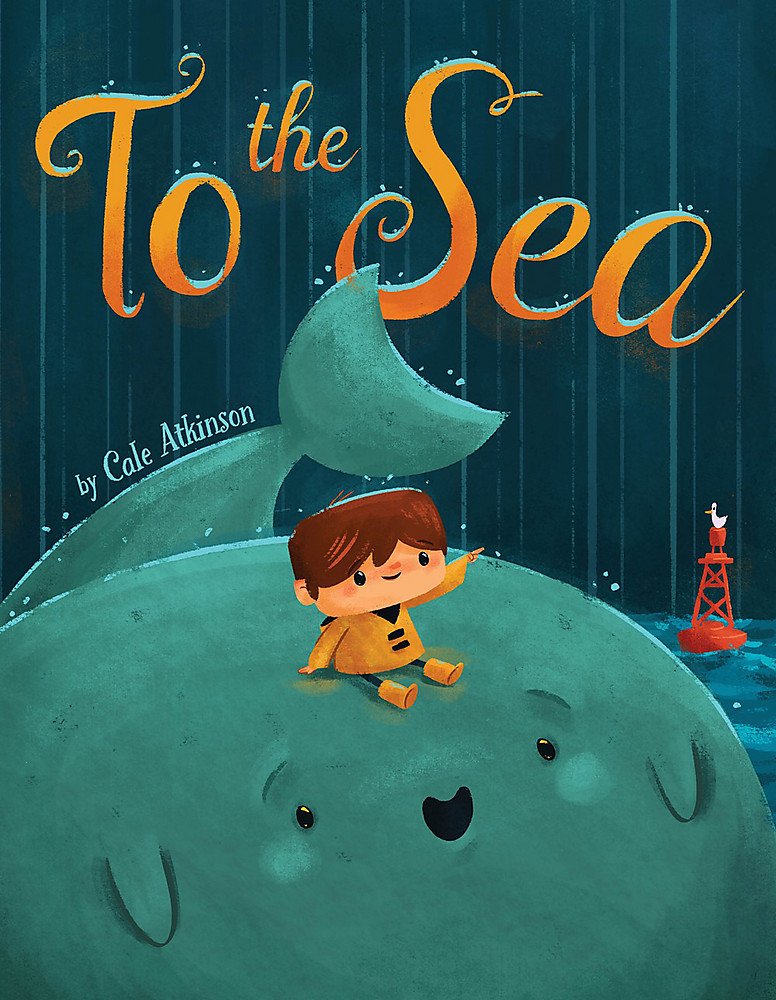
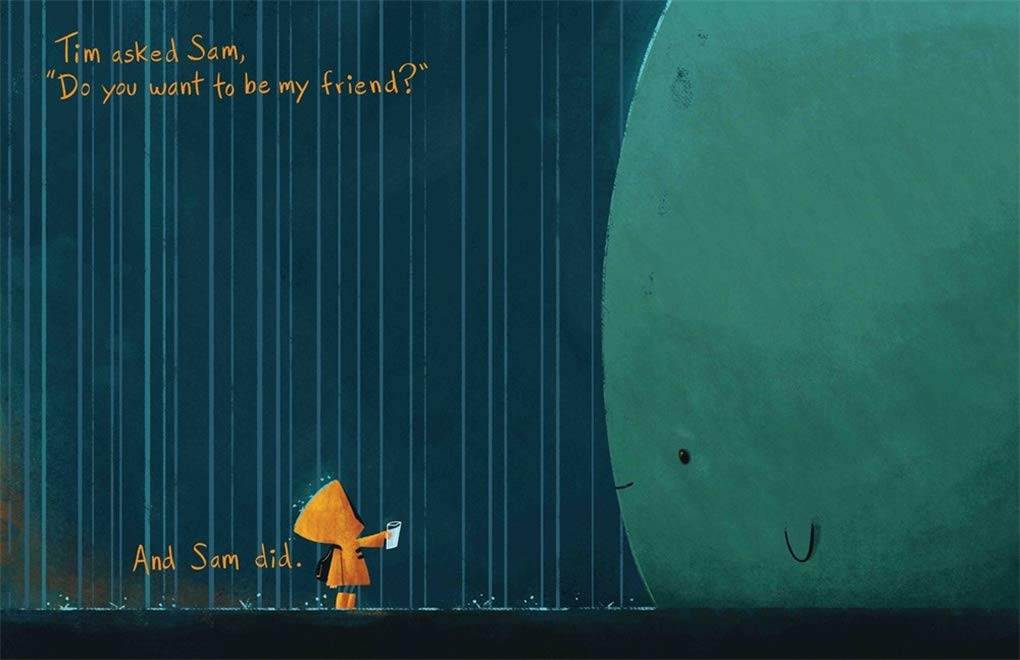
This story teaches how powerful friendship can be, it’s about a lonely child called Tim that finds a very unusual friendship with a blue whale that can’t find his way back home. Tim is determined no matter what it takes to return him back home, taking him on an adventure. I not only love the story of this book but the art style also, its simplistic but dynamic appearance brings so much life to the illustrations. I would definitely like to try this type of art style and layout for my own story.
Here’s a different type of story, this one is a digital example of how a story could be told. This is a book called, “Oh No George,” created by Chris Haughton, it’s a book about a pet dog who promises to be good when his owner is out. He tries to be well-behaved but gets distracted which causes mayhem.
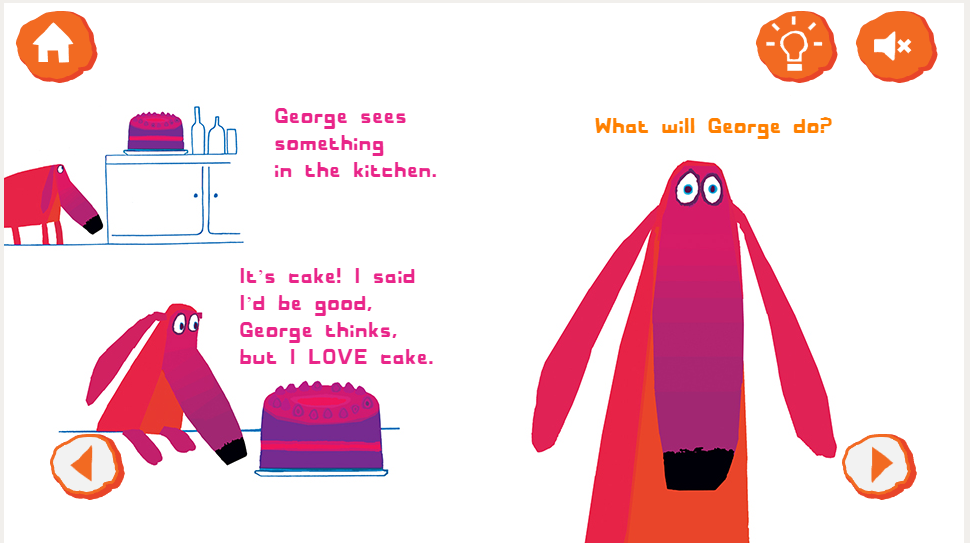

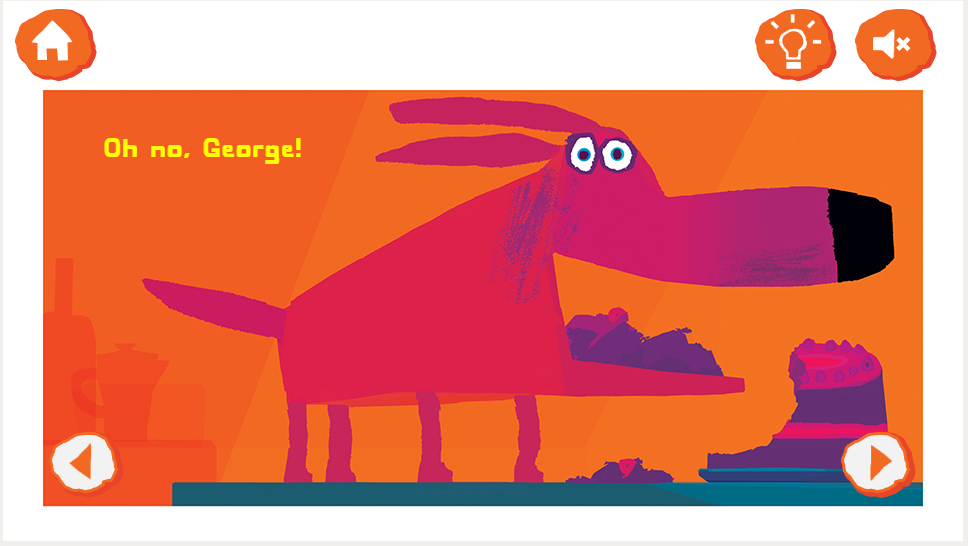
With this story, I love the anticipation used within each page. There’s always a positive that turns into chaos, George tries his best to fight the urge but then does it straight away on the next page, adding a big reveal of humour to the book. If I was going to create a scene within my own book like this it would be great for catching the attention of the younger audience.

After researching a few story examples, I have figured out a path that I want my story to take, I want it to have a conflict at the beginning which then leads towards adventure and discovery. An adventure where there’s a lesson along the way, which the character can reflect upon at the end of the book.
Base structure – The Monomyth
A common structure used in folk tales, myths, and religious writing. It’s one of the oldest known styles of storytelling.
Good for:
-Taking the audience on a journey
-showing the benefit of taking risks
-demonstrating how you learned some newfound wisdom
The story generates a cycle, the character goes somewhere and faces some difficulties but then comes back stronger, possibly telling the audience some sort of lesson. I feel like the Monomyth structure method would be great for the story that I want to make, it’s a method where I can have the main character change over the course of the book from beginning to end.
In the next post, I shall be creating a story and character overview for my own digital story project.
7 of the best illustrated books for children – Elusive Magazine (Accessed, 8/11/22)
Read along with Oh No, George online | BookTrust (Accessed, 8/11/22)